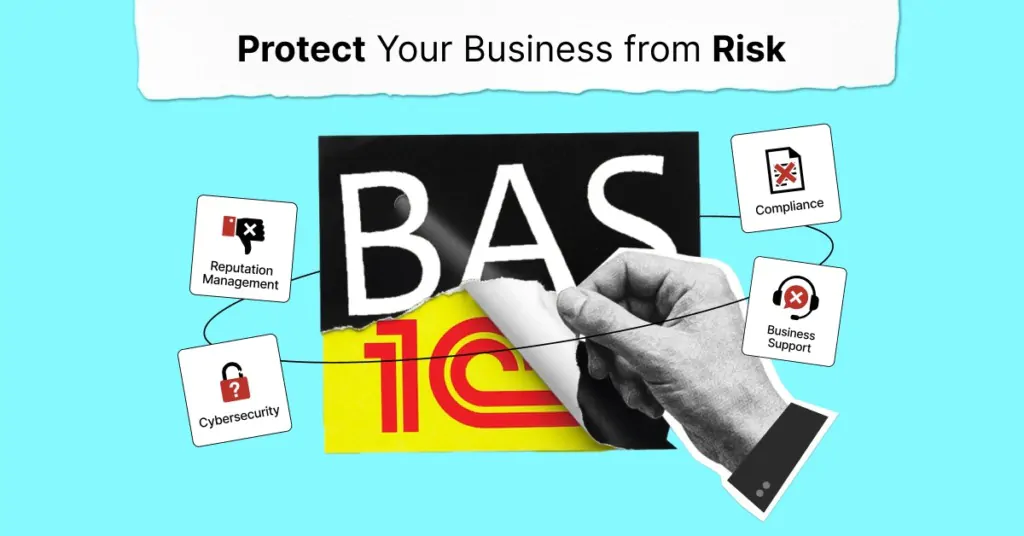
In Ukraine, 1C and BAS have officially been recognized as hostile software. For many companies, this means the time has come to switch to a secure and modern ERP system.
At SMART business, we have been helping companies transition from 1C for 17 years. Over that time, markets have changed, regulations have evolved, and businesses’ attitudes toward 1C have shifted. However, the questions business owners and top executives ask before making the transition have remained largely the same.
In this article, we answer the key ones.
Myth #1. Transition to an ERP Is a Cost, Not an Investment
Transitioning to a modern ERP system is not just about replacing one label with another. It means implementing a system that fundamentally improves the way a business is managed.
We implement Microsoft Dynamics 365 Business Central as a system that enables comprehensive financial planning, cash flow forecasting, management accounting, consolidated reporting, and real-time analytics. In addition, businesses gain automation of operational processes and access to artificial intelligence tools already integrated into the system.
The experience of companies such as BROCARD, MTI, and Ecosoft confirms that this is not simply a change of software — it is about increasing business transparency and improving management control.
Myth #2. The Accounting Team Won’t Be Able to Adapt Quickly to Microsoft ERP
We have been hearing this concern for many years. That is exactly why we created SMART Accounting for Ukraine, a localization for Microsoft ERP.
This solution adapts the system to the requirements of Ukrainian legislation as well as to the familiar workflows used by accounting departments. The system supports the creation of tax invoices, statutory and operational accounting reports, and document and report formats that accountants are accustomed to.
We deliberately invested not only in legal compliance, but also in ensuring a comfortable working environment for finance teams.
In addition, we systematically provide training for both existing and potential clients. SMART Accounting Academy offers free professional development sessions three to four times a year, helping specialists explore new ERP functionality and stay up to date with legislative changes.
The current Academy session, dedicated to financial accounting in Business Central, has attracted 150 registered participants.
Myth #3. Implementing Microsoft ERP Is Too Complex and Takes Years
The scale of any project always depends on the complexity of the business. If a company has a distributed structure or is rethinking its processes, the implementation may indeed become a strategic transformation.
At the same time, Microsoft Dynamics 365 Business Central itself has clear logic, a structured implementation methodology, and an intuitive interface.
A few years ago, it was important for us to test the quality of our work. One of our clients successfully implemented Business Central independently, using our documentation and training program. This became practical proof that the system is not overly complex and that a well-prepared team can work with it confidently.
An integrator’s role goes far beyond configuring the system. Dozens of companies go through this journey with us, and the accumulated practical experience helps shorten the transformation path and avoid common mistakes.
Myth #4. Migrating Data from BAS/1C Risks Losing Information
A controlled data transition is critical for business continuity.
That is why we developed our own automated master data migration solution — SMART Data Migration from 1C, which:
- minimizes the risk of data migration errors
- reduces the time required to transfer data
- makes the Go-Live process virtually instantaneous, as the final migration from 1C to Microsoft Dynamics 365 Business Central happens automatically.
Today, the question is no longer whether companies should make the transition. The real question is how to do it strategically, securely, and with maximum benefit for the business.
Moving to Microsoft Dynamics 365 Business Central is an investment in stronger management control, predictability, technological independence, and long-term competitive advantage. And this is exactly how we approach this transformation together with our clients.